Cybersecurity. Philosophy. Law. Economics. Trauma theory. Creative writing. The integration is the point.
I build frameworks. Across cybersecurity, philosophy, economics, law, and trauma theory, the work I do follows a single pattern: find the structural principle that a system can't see about itself, name it, and make it legible to the people the system affects.
I served in the U.S. Air Force as a Fusion Analyst from 2007 to 2012, where I learned to synthesize intelligence across domains under conditions that demanded precision. That training shaped how I think — not in one lane, but across all of them simultaneously.
I've worked in threat intelligence at Microsoft and Qualys, published original research in cybersecurity, and written three books on ethics, addiction, and relational healing. I hold a CISSP and an MBA. I'm currently a law student, because I watched a system fail to hold itself accountable and decided to learn its language well enough to make it.
The through-line isn't breadth for its own sake. It's that the problems I care about — institutional failure, human coherence, the gap between how systems describe themselves and how they actually function — don't live in one discipline. They live in the seams between them.
These aren't thought exercises. They're working models — each one built to expose a structural truth that existing frameworks miss.
A formal logical framework that tests mainstream economic ideologies — Shareholder Value Theory, Porter's Five Forces, CSR — against the reality of corporate welfare. Applied to the pandemic response as a post-mortem proving ground. The formula demonstrates that modern capitalism is structurally designed to privatize profits while socializing losses.
PhilosophyA contemporary alternative to Chalmers' simulation hypothesis. Reinterprets Descartes' evil demon as the internal mechanism of ego — offering a more parsimonious explanation for distorted perception without requiring external simulators or panpsychic entities.
Asset, Liability, Equity — applied to corporate governance. A model for evaluating organizational decisions (including Amazon's RTO mandate) through the lens of what a company actually owes its people versus what it claims to value.
Comprehensive Masking and Maladaptive Exhaustion. A framework proposing that neurodivergent expression is shaped by relational and environmental factors, with masking producing cumulative costs that existing clinical models undercount.
Poetry and creative writing — the part of the mind that the frameworks can't fully contain. These trace the arc from early reckoning through healing to presence.
"Barren branches, await the spring / Love through my roots carries me"
October 2019"'Twas no stranger experience; / Than to meet myself: / A stranger"
February 2019"Our pains diverge / you are now swallowed by ugly-pain... / I am now consumed by beautiful-pain"
July 2018"I am more than the sum of these traumas / I am more than the shame, guilt, fear"
January 2021"When once I craved, I crave no more — I crave know more"
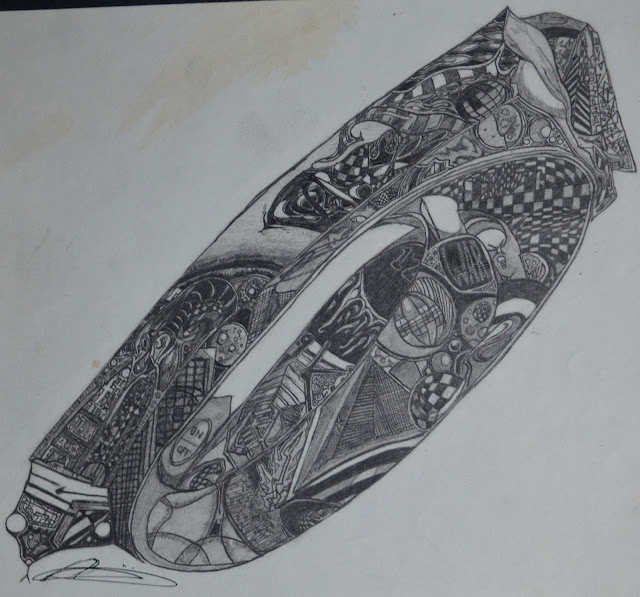
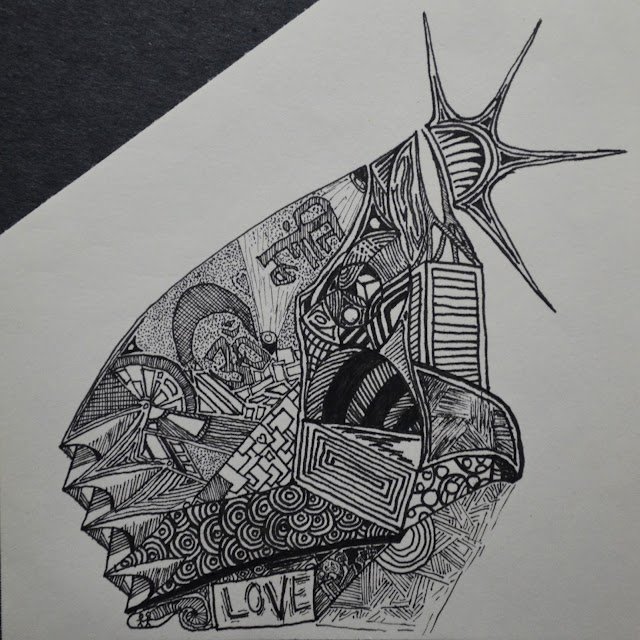
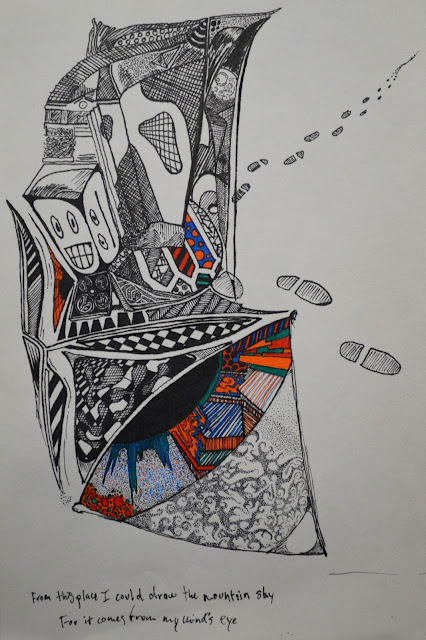
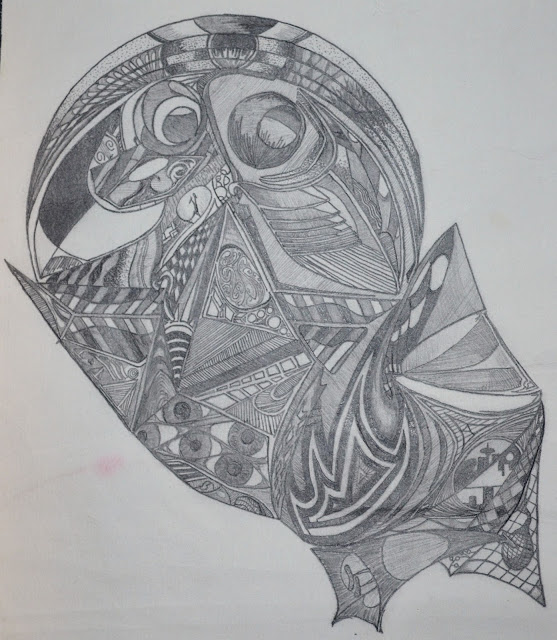
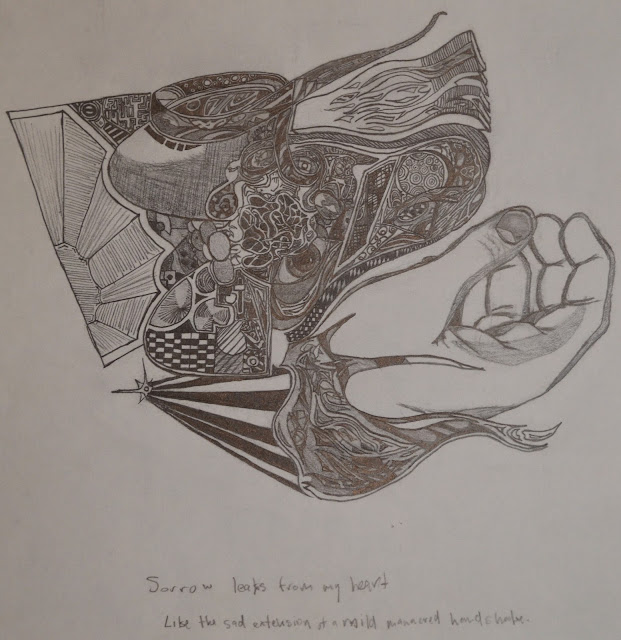
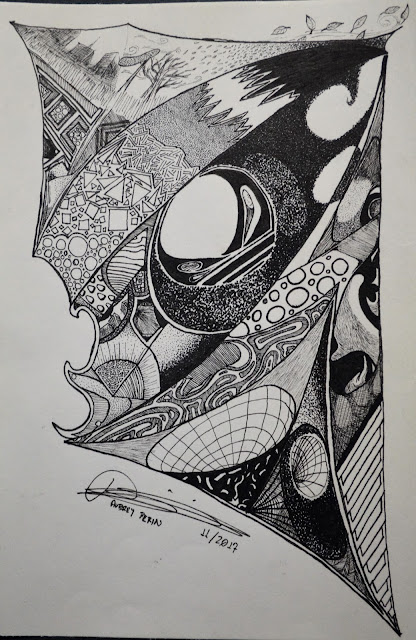
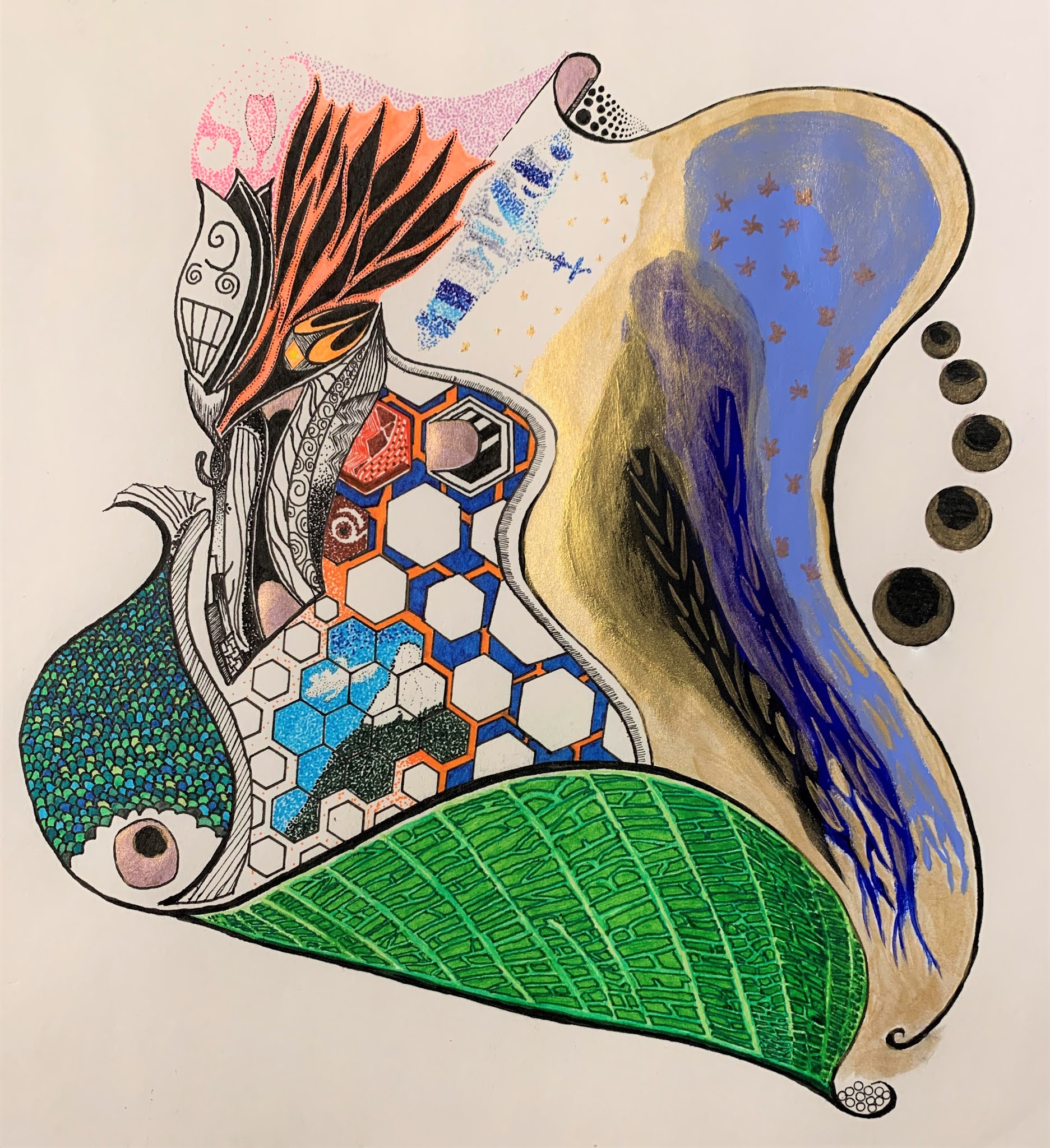
The art came first. The words followed. These pieces span 2004 to 2020 — each one processing what language couldn't yet reach.
Books, media placements, and original articles — the public-facing evidence of the work.
Examining ethical frameworks, governance structures, and institutional responsibility in modern organizations.
2025Analyzing addiction through systems theory, trauma, and social regulation — for people who don't fit traditional recovery narratives.
2025Communication, boundary formation, and behavioral accountability following major personal and institutional change.